On this page
Most relaunch advice treats brand, packaging and the online store as three projects. For a DTC brand they're one: the box is the product photo, the photo is the product page, and the product page is the shop. This guide is the sequence we use when we relaunch a brand, its packaging and its Shopify store together, including the parts that go wrong.
- A DTC relaunch works when brand, packaging and store change together around one strategy and one launch date.
- Keep what search engines and customers rely on: the domain, product URLs and the brand cues people recognize.
- Work in order: brand, packaging, photography, store, launch. Set a baseline before you start.
- Judge the result on conversion rate, AOV and revenue per session over 30, 60 and 90 days, not on one month of sales. Use the 30-point checklist.
Do you need a full relaunch, or just a store redesign?
A full relaunch is for when the brand itself is the bottleneck: the packaging looks interchangeable in a thumbnail, the positioning no longer fits the customer, or the brand looks different on every channel. If people understand and trust the brand but the store converts poorly, a Shopify redesign alone is faster and less risky.
| Symptom | Likely fix |
|---|---|
| Friction on product pages and checkout | Store redesign |
| Pack unreadable on a phone; variants easy to confuse | Packaging refresh |
| New audience or price tier; the brand looks different on every channel | Full relaunch |
| Strong recognition, weak conversion | Store redesign; keep the packaging |
Should you rebrand, redesign packaging and rebuild your store at the same time?
Doing them together means customers meet one consistent brand on the box, the ads and the product page, and you pay for one round of photography. The risks are losing recognition and losing search traffic. Keep your domain and product URLs, change only what is broken, and keep the cues customers already recognize.
What Google says about changing everything at once
Google's site-move guidance advises planning big site changes one after the other, and warns that search visibility can fluctuate for a few weeks or more while URLs change. In practice: keep the domain and URLs stable, and launch the visual changes together.
The Tropicana warning
In 2009 Tropicana replaced its familiar orange-with-straw carton. Between 1 January and 22 February, unit sales of Pure Premium fell 20% and dollar sales about $33 million, according to Information Resources data reported by Bloomberg. The old carton was back by spring. The lesson: keep the distinctive assets customers use to find you on a shelf, or in a search result.
When to split the projects
In our experience, split the work when the relaunch also changes the domain or the platform, or when you have more than about 50 SKUs with long print lead times. Launch the store on the existing brand first, then roll the new packaging through it.
The relaunch sequence, step by step
Work in dependency order. Brand strategy and identity come first, because everything else inherits from them. Then the packaging system, then new product photography, because the photos are your packaging online. Then build the Shopify store around those assets, and launch everything on one date with redirects, data and a baseline in place.
- 01Diagnose and baselineAnalytics snapshot, top SKUs, customer language
- 02BrandPositioning, name check, identity, voice
- 03PackagingMaster layout, variant coding, dielines, proofs
- 04PhotographyPackshots, in-scale, in-hand, lifestyle
- 05Shopify storeTheme, product pages, collections, AOV mechanics
- 06Launch and measureSame-day swap, redirects, 30/60/90-day reviews
| Phase | Key outputs | Depends on |
|---|---|---|
| 1. Diagnose and baseline | Analytics snapshot, top SKUs, customer language | — |
| 2. Brand strategy and identity | Positioning, naming check, logo, colors, type, voice | 1 |
| 3. Packaging system | Master layout, variant coding, legal copy, dielines per SKU, print proofs | 2 |
| 4. Photography and product content | Packshots, in-scale, in-hand and lifestyle images; copy | 3 |
| 5. Shopify store | Theme, product pages, collections, cart and AOV mechanics, apps audit | 2, 4 |
| 6. Pre-launch QA and SEO | Redirects, metadata, structured data, product feed, AI-channel data | 5 |
| 7. Launch | Email, social, marketplaces and ads swapped the same day | 6 |
| 8. Measure | Reviews at 30, 60 and 90 days against the baseline | 7 |
Packaging: design for the thumbnail first
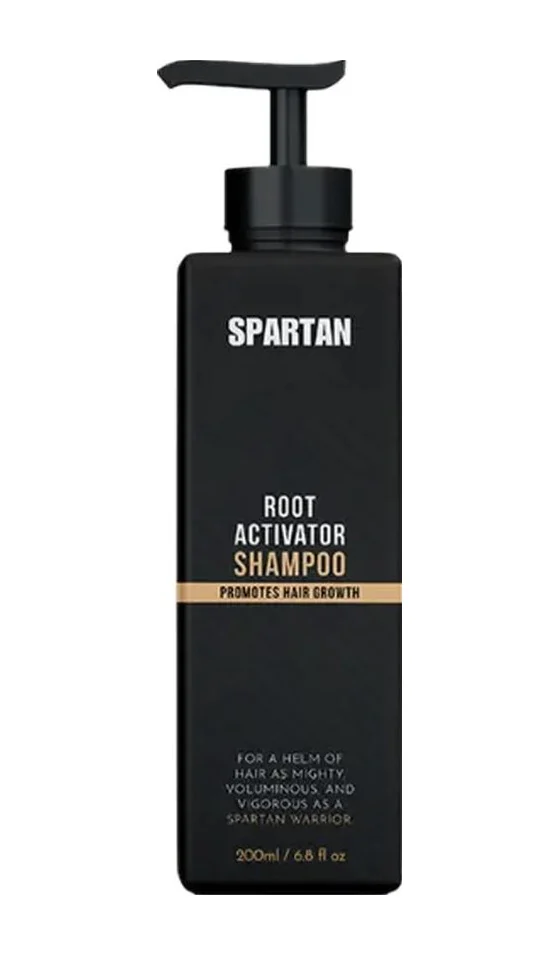
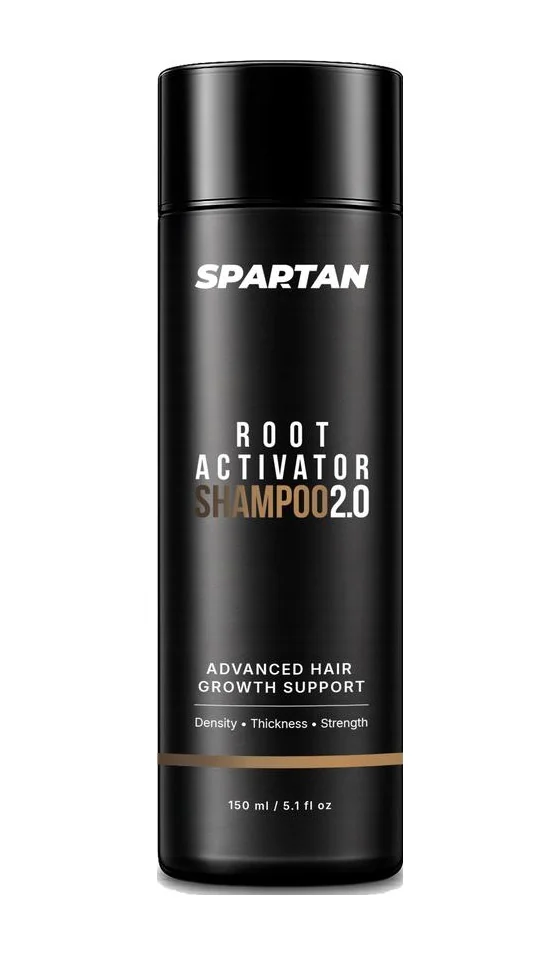
Online, most shoppers first see your pack as a small image on a phone. In an eight-week A/B test with a retailer, Magnum's mobile-ready hero images, which made pack details legible on a phone, lifted sales 24% (University of Cambridge, 2018). Baymard found 56% of shoppers explore product images first, and 42% try to judge size from them.
- Product name and variant legible at thumbnail size.
- One hero face per pack, used in every listing.
- Color-coded variants that still work in grayscale.
- An in-scale shot so buyers can judge size.
 Before
 After
Shopify store: what to change and what to leave alone
Keep product and collection handles wherever you can. Shopify's redirect rules matter here: a redirect only works from a URL that no longer loads a page, the base /products and /collections paths can't be redirected, and stores get up to 100,000 redirects (20 million on Plus). Audit apps before rebuilding, and keep reviews and customer data intact. This is the part we design and build in-house: Shopify design for DTC brands.
Get your products ready for AI shopping assistants
Since December 2025, Shopify's Agentic Storefronts syndicate products to ChatGPT, Perplexity and Microsoft Copilot from the admin. Clean product titles, variants, attributes, metafields, policies and FAQs are what assistants use to describe your products, so fix them during the relaunch. More in our GEO playbook.
Does new packaging affect online conversion?
Online, your packaging is a product photo, so it affects conversion through the images on product pages, ads and marketplace listings. The best controlled evidence is Magnum's eight-week A/B test of phone-legible pack images, which lifted sales 24%. After delivery, packaging shapes the unboxing and the repeat purchase.
After delivery, Ryder's 2026 survey of 1,160 shoppers found boxes preferred to mailer bags, and sustainability rising as a reason for loyalty, up 6 points on 2025, though discounts remain the top one.
How to measure a relaunch without fooling yourself
Compare equal periods before and after launch on conversion rate, average order value, orders and revenue per session, holding the traffic mix steady. Launch emails and promotions inflate the first weeks, so note them, compare with the same period last year, wait for at least 100 conversions per period, and confirm the first 30-day result at 60 and 90 days.
| Metric | Formula | What it tells you | Watch out for |
|---|---|---|---|
| Gross sales | Sales before discounts and returns | Overall size of the change | Promotions, seasonality |
| Orders | Count of orders | Volume | Launch-email spikes |
| AOV | Sales ÷ orders | Basket size | Bundles and price changes |
| Conversion rate | Orders ÷ sessions | How well the store sells | Shifts in traffic mix |
| Revenue per session | Conversion rate × AOV | The single best summary | Low-volume periods |
| Sessions by channel | Sessions per source | Whether traffic changed, not the store | Paid budget changes |
| Repeat purchase rate | Repeat buyers ÷ buyers at 60/90 days | Whether the product delivered | Too early at 30 days |
| Refund and return rate | Refunds ÷ orders | Expectation vs reality | Lag after launch |
| Pitfall | Control |
|---|---|
| Seasonality | Compare with the same period last year |
| Channel mix | Compare per channel |
| Promotions and launch emails | Annotate them, or exclude those days |
| Small samples | Wait for 100+ conversions per period, ideally double |
| Chance | Use a strict significance threshold for before-and-after (Conversion Sciences suggests p 0.01) |
Example: Spartan's first 30 days
Spartan, a men's health brand, relaunched with a new identity, packaging for every SKU and a new Shopify store, all designed and built by DIXI in up to nine weeks. In the first 30 days after launch, against the 30 days before: gross sales +30%, orders +21%, AOV +7%. The numbers are consistent with each other: 1.21 × 1.07 ≈ 1.30, so the lift came from more orders and bigger baskets together. What 30 days can't show yet: seasonality, the launch-email effect and the 90-day repeat rate.
“Fast, reliable service with great creative concepts and quick turnaround times. Everything runs smoothly without the need for constant follow-ups. Highly recommend!”
 Felix WilzerCo-founder, Spartan
Read the Spartan case study or see brands we've worked with.
DTC relaunch checklist
Use the 30-point checklist below to run a relaunch in order: baseline, brand, packaging, photography, store, SEO and data, launch and measurement. Tick items as you go, or get the editable version as a Google Sheet.
DTC relaunch checklist
Thirty steps in dependency order. Your progress updates as you tick.
Early days. Start with the baseline: without it, you won't be able to tell whether the relaunch worked.
Common relaunch mistakes
- Changing URLs without redirects. Rankings follow URLs; a broken URL loses them.
- Launching in your peak season. You risk the best weeks of the year and can't read the result.
- No baseline. Without the numbers from before, nobody can say whether the relaunch worked.
- Old packshots left on Amazon and in ads. Customers see two brands at once.
- Dropping the cues people recognize. Tropicana lost 20% of unit sales in about seven weeks.
- Judging success on one month. Confirm at 60 and 90 days.
- Pausing sales during the transition. Cover FX kept selling existing products through its refresh, then reported sales up 828% year on year for three months after its relaunch (company-reported, off a low base).
FAQ
Should you rebrand and redesign your Shopify store at the same time?
It can work if the brand, packaging and store share one strategy and one launch date, because customers then see a consistent brand everywhere at once. The risk is changing too much to learn what worked, and losing search traffic if URLs or the domain also change. Keep the domain and product URLs stable, set a measurement baseline before launch, and stagger anything that isn't customer-facing.
How long does a DTC relaunch take?
It depends on the number of SKUs and how much of the brand changes. Our Spartan relaunch (rebrand, packaging for every SKU and a new Shopify store) took up to nine weeks. For comparison, Shopify agencies publish ranges of roughly 3 to 5 weeks for key templates and 8 to 14 weeks for a full custom theme, before any brand or packaging work. Printer lead times for packaging come on top.
Does packaging design affect online sales?
Indirectly, yes. Online shoppers meet your packaging as a product photo, and Baymard found 56% of users explore images first on a product page. In an eight-week A/B test reported by Cambridge University in 2018, Magnum's mobile-optimized hero images, which made pack details legible on a phone, lifted sales 24%. Packaging that reads clearly as a thumbnail helps; packaging that hides the product name or variant hurts.
Will a Shopify redesign hurt my SEO?
It doesn't have to. Rankings mostly follow URLs and content, so keep your domain, product and collection handles, and the substance of key pages. If any URL must change, add a 301 redirect; Shopify only redirects URLs that no longer load a page. Google warns that visibility can fluctuate temporarily during URL changes and advises making big changes one after another, not all at once.
How do you measure whether a relaunch worked?
Compare equal periods before and after launch on conversion rate, average order value, orders and revenue per session, not just total sales. Hold the channel mix steady, note any launch emails or promotions, and compare with the same period last year to catch seasonality. Wait for at least 100 conversions per period, and treat a single 30-day comparison as an early signal, then confirm it at 60 and 90 days.
What should you keep when you rebrand?
Keep whatever customers use to recognize you: the distinctive shapes, colors, logo elements and names they search for. In 2009 Tropicana replaced its familiar orange-with-straw carton, and unit sales of the Pure Premium line fell 20% in about seven weeks, according to Information Resources data. Tropicana brought the old carton back within about two months. Change what is broken; keep what people recognize.
Do you need new product photos after a packaging redesign?
Yes. New packaging makes every existing product photo, ad creative and marketplace listing out of date, and photos are what online shoppers use to judge a product. Baymard found 56% of users start a product page by exploring images and 42% try to judge product size from them. Budget for new packshots, in-scale and in-hand shots, and updated images on Amazon, Google Shopping and social ads.
Can AI shopping assistants show my relaunched products?
Yes, if your product data is clean. Since December 2025, Shopify's Agentic Storefronts let merchants syndicate products to ChatGPT, Perplexity and Microsoft Copilot from the Shopify admin, with checkout still handled by Shopify. A relaunch is a good moment to clean up product titles, variants, attributes, metafields, policies and FAQs, because that is the data assistants use to describe and recommend your products.
What a relaunch costs: our pricing. More answers: our FAQ.
Sources
- Newly developed image guidelines will improve mobile shopping experience worldwide · University of Cambridge, Feb 2018
- Product images and descriptive text · Baymard Institute, Nov 2018
- The current state of e-commerce product page UX · Baymard Institute, updated Mar 2026
- Shoppers' e-commerce packaging priorities shift in 2026 (Ryder survey) · Supply Chain Dive, Sep 2026
- Tropicana fiasco from Arnell is gift that keeps giving · Bloomberg, Apr 2009
- How Cover FX's brand refresh grew sales by 800% · Modern Retail, Jul 2024
- Site moves with URL changes · Google Search Central, updated Aug 2026
- URL redirects · Shopify Help Center
- Winter '26 Edition: Agentic Storefronts · Shopify, Dec 2025
- Before and after testing · Conversion Sciences, May 2024