


EW · Workflow SaaS · React and Next.js
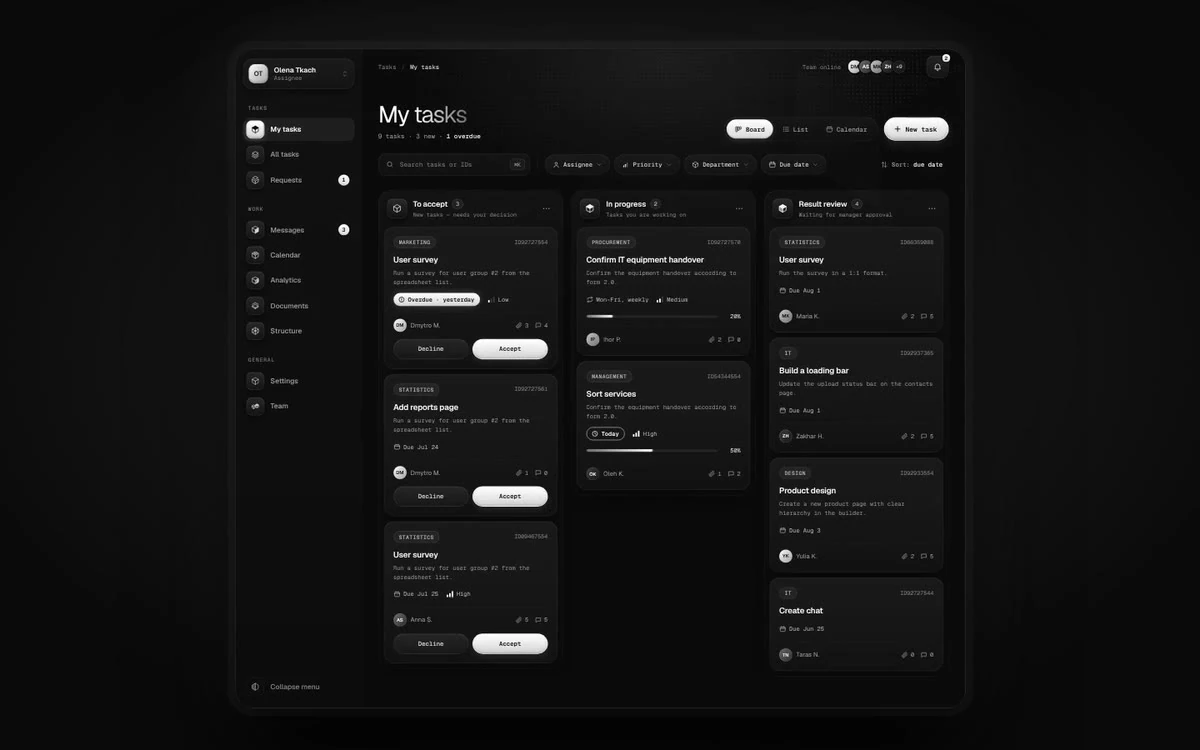
$50K MRRin 6 months. We designed and built the platform from scratch: front-end, data views and the flows people use every day.
We build marketing sites in Webflow, Framer and Astro, product front-ends in React and Next.js, and apps in React Native, with speed, SEO and tracking checked before launch. Websites from $12k, web apps and MVPs from $25k, support from $1k a month.
 By Ignat, founder of DIXI · Updated
Designed and built by one team · code, CMS and accounts in your name

Three things: marketing websites in Webflow, Framer or Astro; product front-ends and web apps in React and Next.js, with Node.js behind them; and cross-platform apps in React Native. The same team builds Shopify stores. Every build ships with technical SEO, analytics and Core Web Vitals checked before launch, and the code, CMS and accounts are yours.
Webflow when marketing publishes every week, Framer to launch in weeks, Astro when speed and search come first. Built from the same components we designed.
Logged-in products, dashboards and internal tools in React and Next.js, with Node.js APIs and Supabase or Firebase when a first version needs sign-in and a database fast.
One React Native codebase for iOS and Android when the value is in the flows; Swift and Kotlin when an app has to be native.
Custom themes on Online Store 2.0, subscriptions and the app stack DTC brands rely on, designed and built with the brand.
Fixes, updates and small improvements from $1k a month, by the people who built it; new pages and experiments as a design partner.
Websites in Webflow, Framer, Astro and Shopify. Products in React, Next.js and React Native. Hosting and edge logic on Cloudflare.
 Webflow
 Framer
 Astro
 Shopify
 React
 Next.js
 React Native
 Swift
 Figma
 Cloudflare
Because most of what goes wrong happens between the mockup and the live page. When one agency designs and another builds, details get lost, pages ship heavy, marketing can’t edit without a ticket, and rankings slip during the move. HTTP Archive’s 2025 Web Almanac found only 54% of sites reach a “good” Largest Contentful Paint: the platform helps, the build decides.
Spacing, states and motion get “approximated” by a builder who wasn’t in the design reviews.
Instead: the designers who drew it review every build, component by component.
Uncompressed images, unused scripts and five tracking tags make the page slow where most visits happen.
Instead: a launch spec with Google’s thresholds, tested on staging.
A site marketing can’t change ends up frozen, or patched by whoever has access.
Instead: the platform chosen by who edits it, and a CMS your team is shown how to use.
Old URLs vanish, titles reset and backlinks land on 404s the week the new site goes live.
Instead: every old URL mapped, redirected and checked after launch.
LCP figure from the HTTP Archive, Web Almanac 2025 CMS chapter (published January 2026); it covers all sites in the HTTP Archive crawl. Checked 1 November 2026.
Every site we launch is checked against the same list: Google’s Core Web Vitals thresholds on mobile, accessibility basics, structured data, a redirect for every old URL, analytics and Search Console, and a CMS your team has been shown how to use. The table lists each check, the target and where the target comes from.
| Check | Target | Source |
|---|---|---|
| Largest Contentful Paint | ≤ 2.5 s on mobile (“good”) | web.dev, Web Vitals |
| Interaction to Next Paint | ≤ 200 ms | web.dev, Web Vitals |
| Cumulative Layout Shift | ≤ 0.1 | web.dev, Web Vitals |
| How the three are judged | 75th percentile of real page loads, mobile and desktop separately | web.dev, Web Vitals |
| PageSpeed (lab) on key templates | 90+ on mobile, our own target | DIXI; dixi.agency scored 95 mobile / 99 desktop on 29 Oct 2026 |
| Body text contrast | At least 4.5:1 | W3C, WCAG 2.2, SC 1.4.3 |
| Keyboard and focus | Every control reachable by keyboard, with a visible focus state | W3C, WCAG 2.2, SC 2.1.1 and 2.4.7 |
| Images | Descriptive alt text, modern formats, width and height set | W3C, WCAG 2.2, SC 1.1.1; web.dev, Web Vitals (layout shift) |
| Structured data | Organization, WebPage, BreadcrumbList and FAQPage where used, validated | Google Search Central, structured data |
| Redirects | Every old URL returns 200 or a single 301 to its new URL | Google Search Central, site moves |
| Indexing | sitemap.xml submitted, robots.txt checked, a canonical on every page | Google Search Central, sitemaps |
| Measurement | GA4 and Search Console live; demo, sign-up or order tracked | DIXI |
| CMS handover | Editors shown how to publish; reusable sections documented | DIXI |
Checked 1 November 2026. Lab results are tested before launch; field data in Search Console needs about 28 days of real visits, so we read it after. Want this list run on your current site? Book a call.
PageSpeed Insights · dixi.agency
Live site, 29 October 2026
We moved dixi.agency from Framer to Astro in October 2026 and hold it to the same launch spec as client sites. Nothing on the page is there for us alone: the booking form you can use, the analytics we read and the pages you are scrolling now.
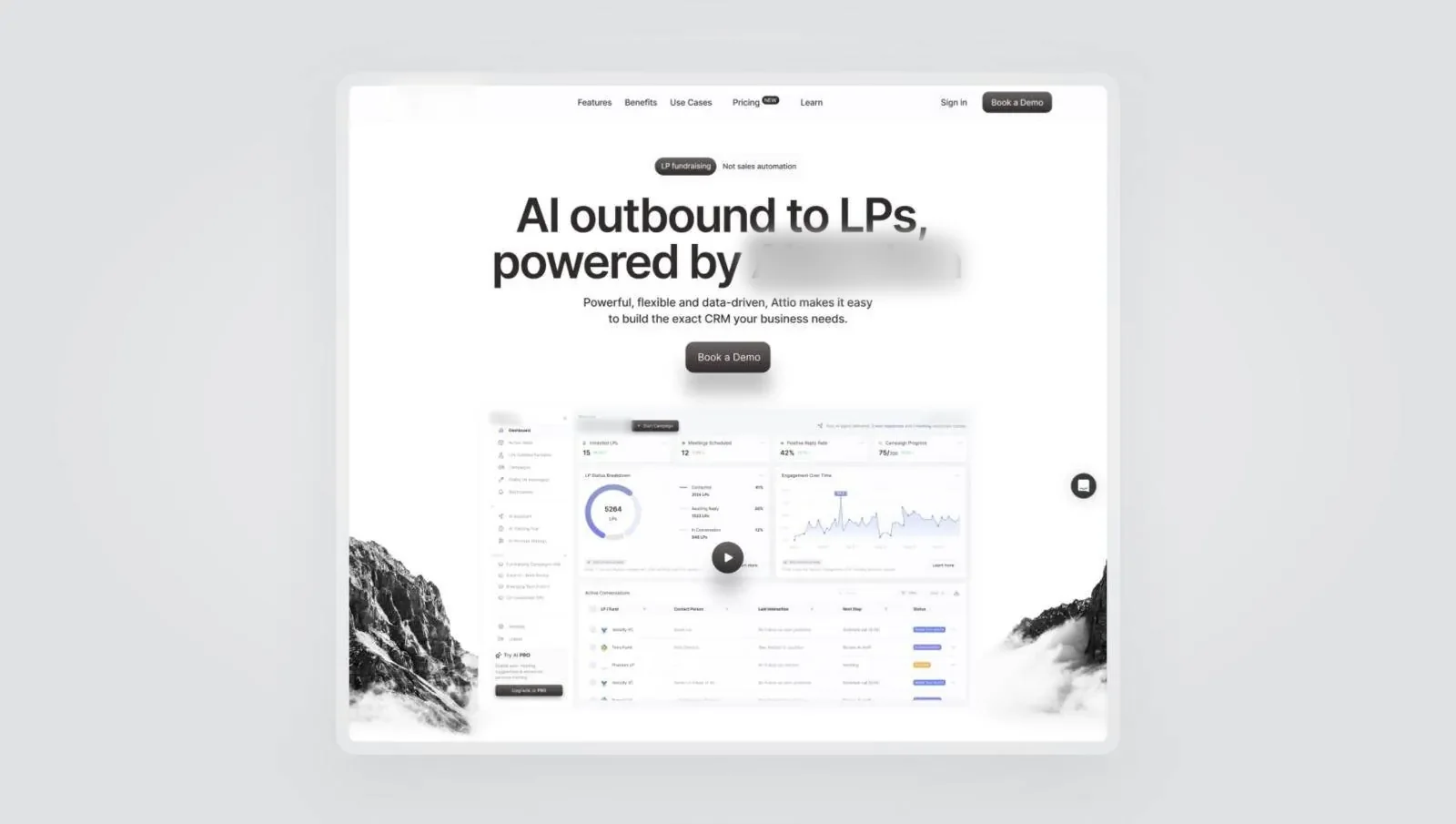
Our own site is the easiest to check: dixi.agency runs on Astro and Cloudflare Workers and scored 95 on mobile and 99 on desktop PageSpeed on 29 October 2026. For clients, we designed and built EW, a workflow SaaS that reached $50K MRR in six months, and a Webflow site that lifted demo bookings 18%.
in 6 months. We designed and built the platform from scratch: front-end, data views and the flows people use every day.
demo bookings after the new Webflow site we designed and built. The client’s name is under NDA.
gross sales after the relaunch: rebrand, packaging and a custom Shopify theme, designed and built as one system.
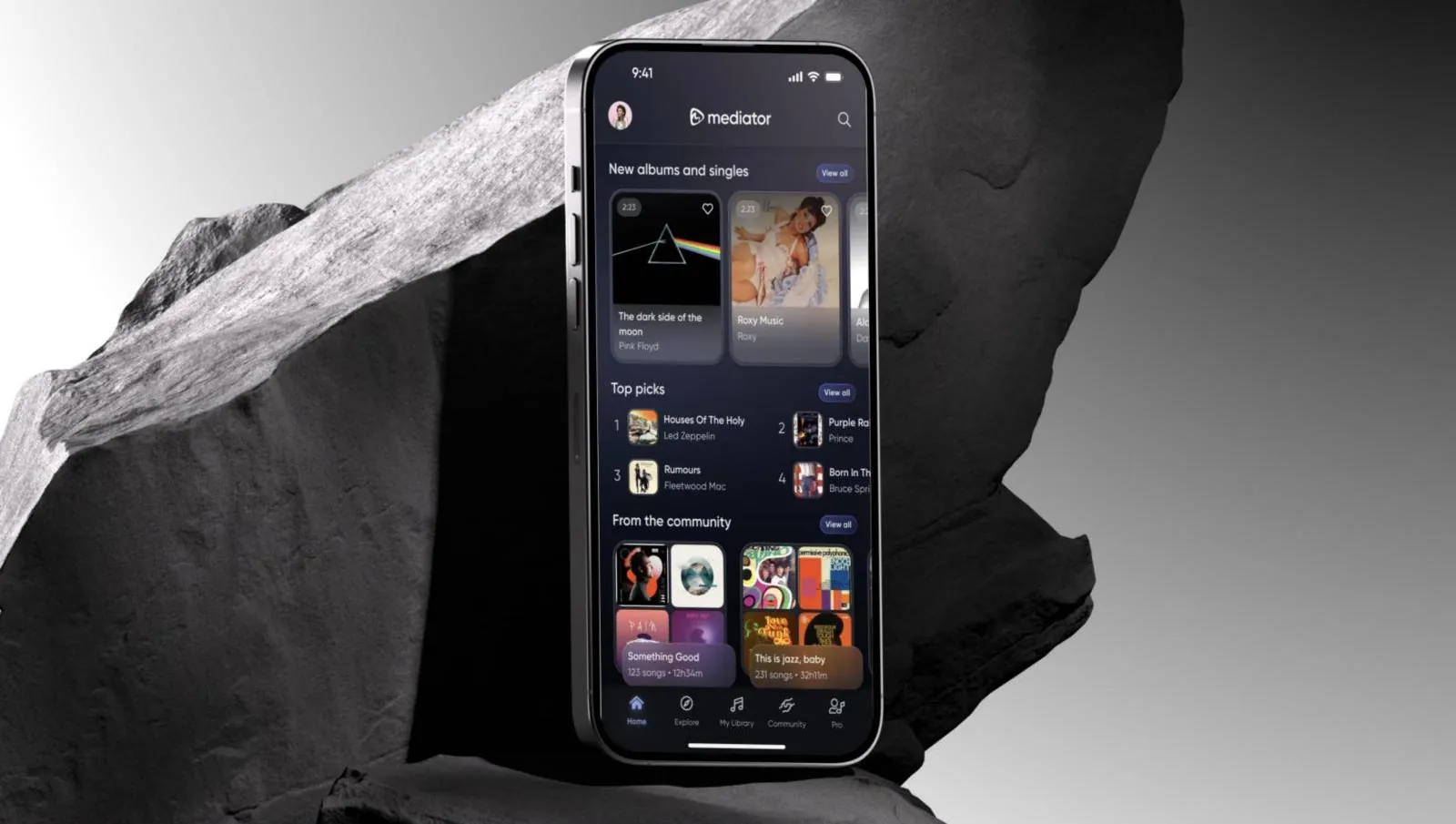
from one React Native codebase: our own music distribution app for labels and artists.
Also live: Klik Solutions, a managed IT and cybersecurity company in Baltimore, saw 3.2× qualified leads about three months after its new website launched.
MSP website designClient results are the work of each client’s whole team; the site or product was one part.
In five steps: we plan the content model, CMS structure and URL map; build in reusable components on a staging link you can open any time; test on real devices for speed, accessibility and SEO; launch with redirects, Search Console and analytics live; then hand over the code, CMS and accounts, with support from $1k a month.
Content model, CMS collections, integrations and the map of every URL, old and new.
You get: the content model and the URL mapPages assembled from reusable sections on a staging link you can open and share any time.
You get: a staging link and the component librarySpeed, accessibility, SEO, forms and tracking, checked against the launch spec.
You get: a QA report against the specRedirects live, sitemap submitted, Search Console and analytics on; the old site stays until the new one is verified.
You get: the launch checklist, signed offCode, CMS and accounts in your name, and a session showing your team how to edit.
You get: everything you need to run it without usA website or product project usually runs 6–10 weeks, design included; the written plan confirms the weeks for yours.
Webflow, Framer or Astro for marketing sites, Shopify for stores, and React with Next.js for anything with a login. We choose by who edits the site every week, how much speed and search matter, and how the site will grow, and we recommend one after the first call. Answer four questions for our starting point.
WebflowA visual CMS your marketing team runs on its own: new pages, case studies and posts without a developer ticket.
Publishing every week is what Webflow’s CMS is for: collections for posts, case studies and landing pages.Need it live in weeks? Framer launches faster; Webflow pays off once marketing publishes every week.Speed first? Webflow sites pass Core Web Vitals about as often as Astro sites (71.3% vs 71.1% on mobile, HTTP Archive). The build decides.
FramerThe fastest way from design to a live marketing site, with a simple CMS and motion built in.
Publishing a lot? Framer’s CMS handles a blog and case studies well; deep collections and filters are easier in Webflow.Launching in weeks is where Framer is strongest.
AstroStatic pages with only the JavaScript each page needs, so pages load fast and search and AI crawlers read every word.
Publishing every week? Editors work in a headless CMS; we set it up and show your team how to use it.Astro launches as fast as the content is ready; later layout changes need a developer.Speed and search first is what Astro is built for.
React and Next.jsA login, a dashboard or data that changes per user makes it a product, and a product needs real code.
For the marketing site next to it: Webflow, so marketing edits without tickets.Framer, to launch in weeks.Astro, built in the same repository.
ShopifyYou sell products online: checkout, subscriptions and the app stack DTC brands rely on, managed in the Shopify admin.
A starting point, not a verdict: we confirm the platform after the first call. Platform prices from each vendor’s pricing page, checked 1 November 2026; Core Web Vitals shares from the HTTP Archive Technology Report as quoted on our tech stack page.
Webflow developmentBest when marketing publishes every week and wants a visual CMS. CMS collections, localization and integrations with your CRM and analytics.
Framer developmentBest when a design-led site has to launch in weeks. Motion and a simple CMS built in; we tell you when you will outgrow it.
Astro developmentBest when speed and search come first. Static pages, a headless CMS for editors, hosting on Cloudflare; our own site runs on it.
Next.js and React developmentBest when it is a product, not a brochure: logins, dashboards, data per user. EW was built this way.
The trade-offs in full, with real-site performance data, are on our tech stack page.
Yes. We moved our own site from Framer to Astro in October 2026 and use the same checklist for clients: every old URL kept or redirected with a 301, titles, descriptions and structured data carried over, sitemaps resubmitted, and Search Console watched for crawl errors after launch. Nothing is switched off until the new site is verified.
| Old URL | to | New URL | Status |
|---|---|---|---|
/ | / | Kept | |
/pricing | /pricing | Kept | |
/features | /product | 301 | |
/features/reporting | /product/reporting | 301 | |
/blog/2023/05/onboarding-tips | /blog/onboarding-tips | 301 | |
/customers/acme | /customers/acme | Kept | |
/about-us | /about | 301 | |
/careers | /about#careers | Merged | |
/webinar-2022 | — | Retired (410) | |
/contact | /contact | Kept | |
/wp-content/uploads/brochure.pdf | /files/brochure.pdf | 301 | |
/security | /security | Kept |
Example data: a 12-page SaaS site moving from WordPress to Webflow, not a client’s map. Every page with traffic or links keeps its URL or gets one 301 to its closest match; nothing is retired without a reason.
| What moves | What we do | Why it matters |
|---|---|---|
| URL inventory | Crawl the old site and export top pages from Search Console and analytics | Nothing with traffic or links is forgotten |
| URL map | Each old URL keeps its address, gets one 301 to its new one, or is retired with a reason | Rankings and backlinks follow the content |
| Titles, descriptions, H1s | Carried over, or improved on purpose and noted | No accidental ranking drops |
| Structured data | Rebuilt and validated on the new templates | Rich results and machine-readable facts survive |
| Canonicals and hreflang | Rebuilt for the new URLs | No duplicate or conflicting signals |
| Internal links | Updated to final URLs, so no link goes through a redirect | Crawlers spend time on pages, not hops |
| Media and files | Re-hosted; old file URLs redirected | PDFs and images often carry links too |
| Forms and integrations | Reconnected and tested end to end | Leads don’t silently stop arriving |
| Launch | Sitemap resubmitted; the old site kept until the new one is verified | Fast re-crawl and an easy rollback |
| After launch | Coverage, 404s and rankings checked in Search Console; redirects left on | Problems caught before they cost traffic |
Sources: Google Search Central, site moves; Google’s John Mueller on keeping 301s for at least a year (Search Engine Journal); our own Framer-to-Astro move, October 2026. Checked 1 November 2026.
Yes, in whichever split suits your team. We can build everything, build the marketing site while your engineers build the product from our components, or design only and review your team’s build against the designs. ComboCurve and HCM International worked the last way; EW had us design and build the platform from scratch.
| Model | DIXI does | Your team does | Best when | Example |
|---|---|---|---|---|
| We design and build | Design, front-end, CMS and back-end integration, QA, launch | Reviews and decisions | No front-end team yet, or a new product or site | EW (React and Next.js); the AI outbound platform’s site (Webflow) |
| We build the website, you build the product | Marketing site, plus shared components and tokens | Product engineering, from our components | Your engineers are busy on the product | Discussed on the call |
| Design only, build reviewed | Figma components, specs and every state; reviews during the build | The whole build | Strong in-house engineering | ComboCurve; HCM International |
In your repository we work through pull requests your engineers review. Product design detail, including how we hand over every state, is on SaaS product design.
Four ways to start. A website project starts at $12k, a web app or MVP at $25k and a site migration at $6k. After launch, a support subscription from $1k a month covers fixes, updates and small improvements, handled by the people who built it. Either way, the code, CMS and accounts stay yours.
A marketing site designed and built in Webflow, Framer or Astro, launched against the spec and measured after.
A product designed and built in React and Next.js, with auth, data and payments, the way we built EW.
Your current site moved from Framer, Webflow or WordPress to Astro or Webflow, rankings kept.
Fixes, updates and small improvements once the site is live, by the people who built it.
New pages, experiments and product work every month? The design partner format starts at $6k a month, from 3 months. Prices are confirmed in a written plan after a 25-minute call.
| Platform | Site or hosting plan | Editors and seats | Source, checked |
|---|---|---|---|
| Webflow | Basic $15/mo (no CMS); Premium $25/mo with 20,000 CMS items; billed yearly | Full seat $39/mo; Limited seat $15/mo; reviewers free; Localize from $9/mo | webflow.com/pricing, 1 Nov 2026 |
| Framer | Basic $10/mo; Pro $30/mo per site; billed yearly | Editors $20/mo; content-only editors $10/mo; viewers free | Framer’s pricing as recorded by Siter.io, 27 Oct 2026; re-checked on Framer before we quote |
| Astro | Framework free; Cloudflare Workers free plan (100,000 requests a day, static assets free), paid plan from $5/mo | Headless CMS seats, if you use one | Cloudflare Workers pricing, 1 Nov 2026 |
| React and Next.js | Framework free; Vercel Pro $20/mo with one deploying seat and $20 usage credit, or Cloudflare or a Node host | Extra deploying seats on Vercel $20/mo; viewers free | Vercel Pro plan, 1 Nov 2026 |
| Shopify | A Shopify plan plus apps | Staff accounts by plan | See Shopify design agency |
Platform fees are paid to each vendor, not to us; our own fees are on the pricing page.
When the job is mostly engineering capacity rather than design and build together. We are a team of seven that designs and builds websites, product front-ends and apps; we are not a staff-augmentation shop, a WordPress agency or the cheapest hourly rate for a fixed spec.
Built your MVP with Lovable, Bolt, v0 or Cursor? The fixed-price AI MVP audit tells you what to keep and what to rebuild.

I’m Ignat. I lead every project and sit in every weekly review. You work with me and a senior team of seven: designers, developers, an SEO specialist and QA. You talk to the people writing the code, not to an account manager relaying messages.
Mostly we build what we design, so nothing gets lost between the mockup and the live page. We look at outside Figma files case by case: if the components, states and responsive layouts are there, we can build from them; if they are not, we tell you what is missing before we quote.
Webflow, Framer, Astro and Shopify for websites; React and Next.js with Node.js for web apps; React Native for cross-platform apps, and Swift or Kotlin when an app has to be native. Supabase or Firebase back new products, and Cloudflare hosts. Our tech stack page explains how we choose.
A website project, designed and built, starts at $12k (6–10 weeks); a web app or MVP in React and Next.js at $25k (8–14 weeks); a site migration at $6k (3–5 weeks). Support after launch starts at $1k a month. Every price is fixed in a written plan after a 25-minute call; what changes it is on our pricing page.
We test LCP, INP and CLS against Google’s thresholds on the staging site before launch, then watch field data in Search Console, which needs about 28 days of real visits. Our own site scored 95 on mobile and 99 on desktop PageSpeed on 29 October 2026.
Yes, for Webflow, Framer, Shopify and Astro sites. We start with an audit of the build, the accounts and who has access, then tell you what to keep, what to fix and what to rebuild before we quote support or new work.
Yes. We work in your Git repository through pull requests your engineers review, and hand over components and tokens they can reuse. The table in “Can you build alongside our engineers?” above shows the three ways to split the work.
Yes, in React and Next.js with Node.js behind them. EW, a workflow SaaS we designed and built from scratch, reached $50K MRR in six months. For the product side of that work, see SaaS product design.
Yes, by one team on one design system: the website in Webflow, Framer or Astro, the app in React Native for iOS and Android, as with Mediator, our own app. When an app has to be native, we work in Swift and Kotlin.
It depends on page count, content and integrations more than on the platform. The URL inventory and redirect map come first, and the old site stays live until the new one is verified. Google recommends keeping redirects in place for at least a year, so we leave them on.
Fixes, platform updates, small improvements and help with content, handled by the people who built the site, from $1k a month, billed monthly. New pages, experiments and product work every month fit the design partner format from $6k a month.
Book a 25-minute call with Ignat. You get a written plan, a platform recommendation and a quote. Ignat replies within one business day.
We use essential storage to run this site. With your OK we also use analytics to see which pages help visitors. No ad tracking. Cookie policy
Choose what we can use. You can change this any time from Cookie settings in the footer.